Speakers - High-Quality Audio Systems for Every Need
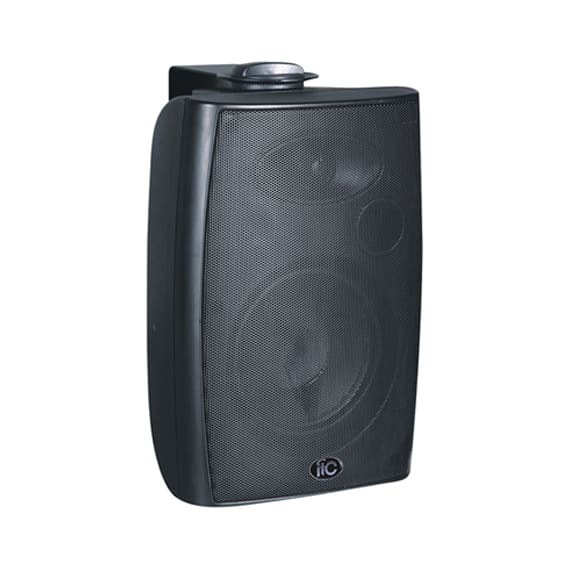
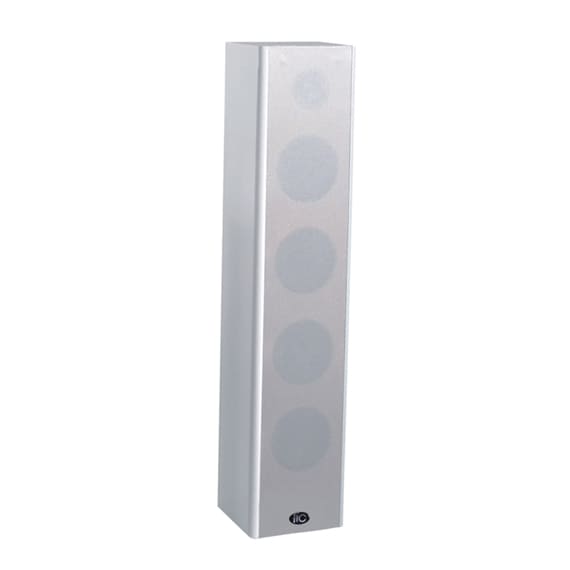
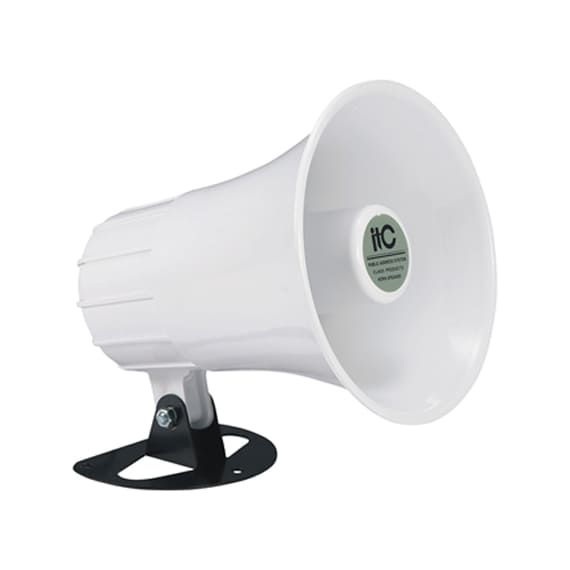
Discover a vibrant world of sound with our high-quality speakers, ranging from powerful public address systems for large spaces to specialized karaoke speakers for home entertainment. We offer a wide variety of speaker types, including ceiling speakers, wall-mounted speakers, subwoofers, column speakers, and many more speaker accessories. Whether you need clear sound for large auditoriums or warm tones for smaller spaces, our speaker systems guarantee the best audio experience.
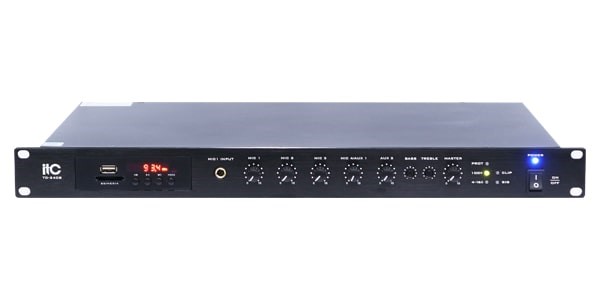
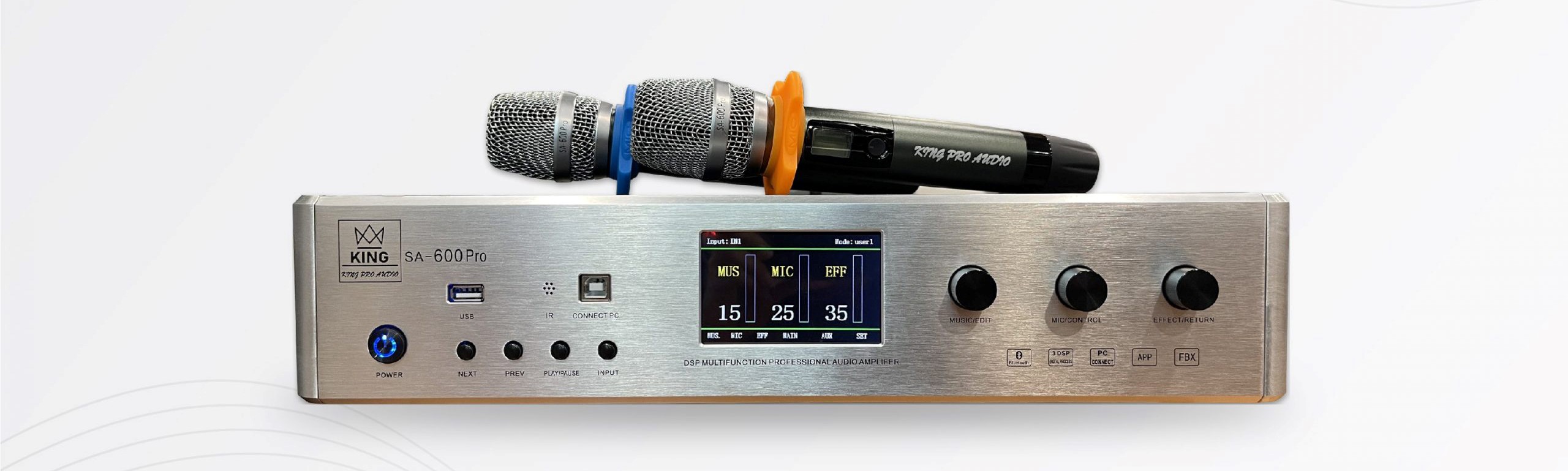
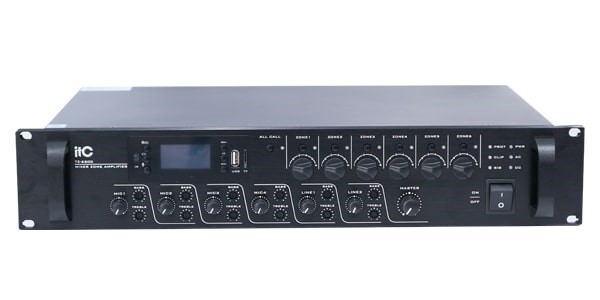
Amplifiers are not only used in karaoke speaker systems but also in public address systems, background music playback, or as mini amps specifically designed for low-power music listening speakers.
An IP network PA (Public Address) system is a modern approach to broadcasting announcements, notifications, and music over a network using IP (Internet Protocol) technology. Unlike traditional PA systems that use analog wiring, an IP network PA system leverages existing network infrastructure (such as Ethernet or Wi-Fi) to distribute audio across a building or multiple locations..
An IP Network PA System is a modern audio communication solution that uses IP-based infrastructure to deliver announcements, emergency notifications, background music, and real-time paging across buildings and large facilities. Unlike traditional analog public address systems, IP PA systems provide intelligent zoning, centralized management, better scalability, and seamless integration with smart building technologies. From corporate offices and universities to hospitals, factories, and transportation hubs, IP-based public address systems are rapidly becoming the preferred communication platform for modern facilities.
IP Network PA Systems
What Is an IP Network PA System?
An IP Network Public Address System is a digital communication platform that uses standard IP networks to distribute audio announcements, live paging, emergency notifications, background music, and intercom communication throughout a facility.
Unlike traditional analog PA systems that depend on dedicated audio cabling, IP-based systems transmit audio over Ethernet networks using Internet Protocol technology.
In simple terms, audio becomes digital network data.
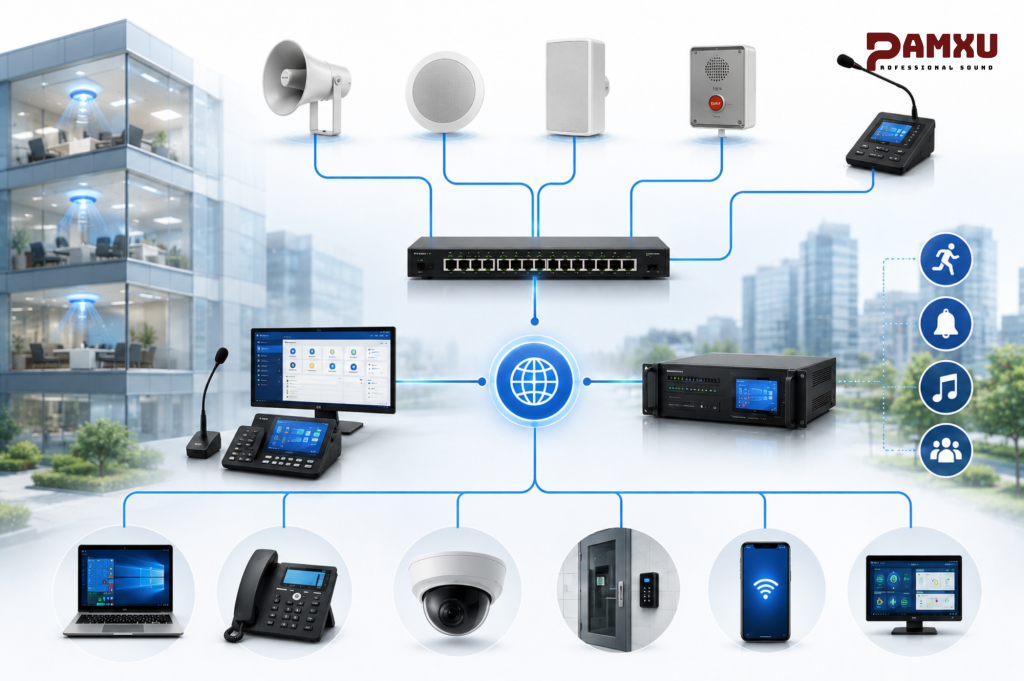
This means the system can operate using the same network infrastructure already supporting:
Computers
VoIP phones
Security cameras
Access control systems
Wireless devices
Building management systems
Instead of relying entirely on centralized analog hardware, each device within the system becomes an intelligent network endpoint capable of sending and receiving audio across the IP infrastructure.
This fundamentally changes how organizations deploy and manage communication systems.
How IP-Based Audio Differs from Traditional Analog Systems
The biggest difference between traditional PA systems and IP-based systems lies in the way audio is distributed.
In analog systems, audio signals travel through dedicated speaker wiring connected to centralized amplifiers. Every expansion or zoning change typically requires physical cable modifications and additional hardware.
IP PA systems work differently.
Audio is converted into digital packets and transmitted over the network to selected devices or zones. Because everything is managed through software, administrators can configure broadcasts far more flexibly without changing physical infrastructure.
This provides several major advantages:
Easier scalability
Better audio quality
Centralized management
Remote operation
Flexible zoning
Simplified installation
Better system integration
As organizations continue modernizing their infrastructure, IP-based communication has become a much more efficient long-term solution.
How IP Network PA Systems Work
At the core of an IP PA system is digital audio transmission over Ethernet networks.
When an operator makes an announcement through a paging microphone or software platform, the audio signal is immediately converted into digital data packets. These packets travel through the network and are delivered to selected endpoints such as IP speakers, intercom terminals, or network amplifiers.
Because the system operates over IP infrastructure, audio can be routed intelligently to virtually any location connected to the network.
This allows organizations to:
Broadcast to specific departments
Deliver announcements to multiple buildings
Create emergency evacuation zones
Automate scheduled paging
Manage communication remotely
Unlike analog systems, zoning is no longer restricted by physical hardware limitations.
Everything becomes software-defined.
Intelligent Audio Zoning
One of the biggest advantages of IP-based communication systems is intelligent zoning flexibility.
Modern facilities rarely operate as a single communication environment. Different areas often require different announcements at different times.
For example:
A university may need classroom announcements without interrupting administrative offices
A hospital may require emergency paging only in specific departments
A factory may need operational alerts only on the production floor
An airport may need independent paging for each terminal
With IP PA systems, zones can be created and modified directly through software.
A single speaker can even belong to multiple zones simultaneously depending on operational requirements.
This level of flexibility is extremely difficult to achieve with traditional analog infrastructure.
Power over Ethernet (PoE) Technology
Many modern IP speakers and paging devices support Power over Ethernet (PoE), allowing both power and network data to travel through a single Ethernet cable.
This significantly simplifies deployment.
Instead of installing separate electrical wiring and audio cabling, installers only need one network cable per device. This reduces:
Installation costs
Cable complexity
Maintenance requirements
Deployment time
PoE also improves reliability when connected to centralized UPS backup systems, ensuring emergency communication can continue during power failures.
For large-scale projects, this becomes a major operational advantage.
Core Components of an IP Network PA System
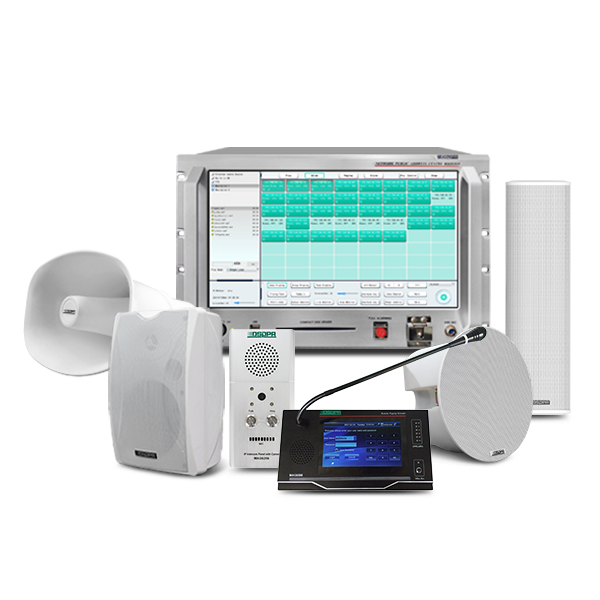
A modern IP PA system consists of several intelligent network-connected components working together as a unified communication platform.
Core Components of an IP Network PA System
IP Audio Controllers
The IP audio controller acts as the central management hub of the system. It processes audio signals, manages paging priorities, controls zones, and coordinates communication between devices.
Advanced controllers often support:
Multi-zone broadcasting
Emergency override functionality
Audio scheduling
Remote management
SIP integration
Real-time monitoring
In large facilities, the controller allows operators to manage communication across multiple buildings from a single interface.
IP Paging Microphones
IP paging microphones provide a user-friendly interface for making live announcements.
Modern paging stations often include:
Touchscreen displays
Zone selection controls
Built-in speakers
SIP calling support
Priority paging functions
Operators can quickly broadcast announcements to selected departments, floors, or the entire facility without needing complex hardware configurations.
IP Speakers
IP speakers represent one of the most important innovations in modern PA technology.
Traditional speakers rely on centralized amplifiers and dedicated analog wiring. IP speakers eliminate much of this complexity by integrating:
Network communication
Digital decoding
Built-in amplification
Remote monitoring
…directly into the speaker itself.
Each speaker becomes an intelligent endpoint connected directly to the Ethernet network.
This architecture simplifies installation while dramatically improving scalability.
Network Audio Management Software
The software platform serves as the operational brain of the entire system.
Administrators can use the software to:
Configure zones
Schedule announcements
Monitor devices
Trigger emergency broadcasts
Manage user permissions
Integrate third-party systems
Because management is centralized, organizations gain much greater control over communication infrastructure across multiple sites.
Why Businesses Are Moving Toward IP-Based Communication
The growing adoption of IP PA systems is being driven by both operational and financial advantages.
One of the biggest reasons businesses migrate to IP-based communication is scalability. Expanding the system no longer requires extensive rewiring or replacing core infrastructure. Organizations can simply add new network-connected devices as needed.
Centralized management also improves operational efficiency. Instead of maintaining isolated communication systems across different buildings, administrators can manage everything from a single platform.
Audio quality is another major advantage. Digital transmission maintains clear and consistent sound quality even across large facilities.
This becomes especially important in environments where speech intelligibility directly affects safety and operational coordination.
IP PA systems also align naturally with smart building strategies because they integrate easily with:
CCTV platforms
Fire alarm systems
Access control systems
SIP telephony
Building automation systems
As smart infrastructure continues evolving, IP-based communication systems are becoming a critical part of modern facility design.
Real-World Applications of IP Network PA Systems
IP PA systems are now widely used across many industries because modern organizations require faster, smarter, and more reliable communication.
In corporate offices, businesses use IP-based communication systems for employee announcements, visitor paging, emergency evacuation, and operational coordination across multiple departments.
Educational institutions rely on IP PA systems for bell scheduling, campus-wide paging, lockdown notifications, and classroom communication.
Hospitals use network-based communication systems for emergency codes, patient announcements, nurse assistance integration, and crisis response coordination.
Industrial facilities require robust communication systems capable of handling safety alerts, shift change announcements, and operational messaging in high-noise environments.
Transportation hubs such as airports and train stations depend heavily on large-scale IP audio infrastructure for passenger information, boarding announcements, emergency instructions, and multilingual communication.
Government buildings and smart city projects are also increasingly deploying IP-based communication platforms as part of broader public safety initiatives.
The Future of IP-Based Audio Communication
The future of public address technology is closely connected to the rise of smart infrastructure and intelligent building management.
Modern IP PA systems are already evolving beyond basic audio broadcasting. Many platforms now include:
AI-powered automation
Cloud-based management
Predictive maintenance analytics
IoT integration
Advanced emergency response automation
As buildings become more connected, communication systems will continue playing a central role in safety, operational management, and occupant experience.
IP-based audio infrastructure is no longer simply an upgrade from analog technology. It is becoming a foundational layer within the modern smart building ecosystem.
Conclusion
IP Network PA Systems are transforming how organizations manage communication across modern facilities.
By combining digital audio technology with intelligent network infrastructure, these systems provide the scalability, flexibility, integration, and reliability that traditional analog systems simply cannot deliver.
From corporate campuses and universities to hospitals, factories, airports, and government projects, organizations worldwide are rapidly adopting IP-based communication platforms to improve operational efficiency and strengthen emergency response capabilities.
As smart buildings continue evolving, IP Network PA Systems are quickly becoming the new standard for professional communication infrastructure.
Hát Then is a unique form of folk performing art practiced by the Tày, Nùng, and Thái ethnic groups in the northern mountainous regions of Vietnam. It is especially popular in provinces like Lạng Sơn, Cao Bằng, Hà Giang, and Tuyên Quang.
Hát Then combines singing with đàn tính
Hát Then performances often accompany traditional musical instruments like the đàn tính (a stringed instrument) and rhythmic clapping sticks. The lyrics of Hát Then songs typically narrate mythical stories, express religious beliefs, or convey personal emotions, dreams, aspirations, and cultural values of the community.
Beyond being a form of entertainment, Hát Then plays a vital role in spiritual and cultural rituals, such as prayers for peace, rain, or during various festivals. This art form reflects the life stories, village tales, and even themes of love, funerals, and weddings. It is a precious intangible cultural heritage, recognized by UNESCO as an Intangible Cultural Heritage of Humanity.
The term “Then” is derived from the word “Thiên” (天, tiān) in the Zhuang language, meaning “heaven.” The Zhuang people in China, along with the Tày and Nùng people, consider Hát Then as a means to communicate with Heaven.
Origins and Significance
Historical Formation According to folklore, Hát Then originated from ritual ceremonies involving deities and ancestors. It was initially a sacred ritual chant intended to convey messages from humans to supernatural beings or to seek protection from the heavens. Originally, Hát Then was performed during Then rituals, where the Then master (thầy Then) acted as a bridge between humans and deities. Over time, Hát Then evolved into an independent performing art form, passed down and preserved through generations.
Spiritual Significance In many Tày, Nùng, and Thái communities, Hát Then is associated with important rituals such as prayers for peace, blessings, or marking significant life events like weddings or longevity celebrations. It is also used to guide the souls of the deceased to heaven or to seek prosperity and peace for the living.
Ritual of Expelling Bad Luck (Then giải hạn) The ritual of giải hạn aims to eliminate bad luck, ward off misfortune, and seek protection from deities and ancestors, helping participants overcome difficulties and receive good fortune. It is typically conducted when participants feel an ominous sign, suffer from prolonged illnesses, or face numerous adversities. The ritual is led by the Then master, who is believed to have the ability to communicate with the spiritual world and perform sacred rites to dispel negative influences.
The lyrics in the giải hạn ritual are often powerful, expressing pleas for divine protection and intervention to remove negative energies. The Then master conducts various rites, such as offering incense, presenting sacrifices, and reciting prayers to drive away evil spirits and misfortune, while praying for peace and good fortune for the participants.
Offerings in the giải hạn ritual usually include items symbolizing purification and the removal of negative elements, such as rice, salt, alcohol, and herbs. These offerings are carefully prepared and presented to the deities with reverence, hoping for their protection and blessing. The ritual is often held at the home of the person seeking giải hạn or at sacred places like temples or shrines. The duration of the ritual can range from a few hours to an entire day, depending on the complexity of the ritual and the condition of the participant.